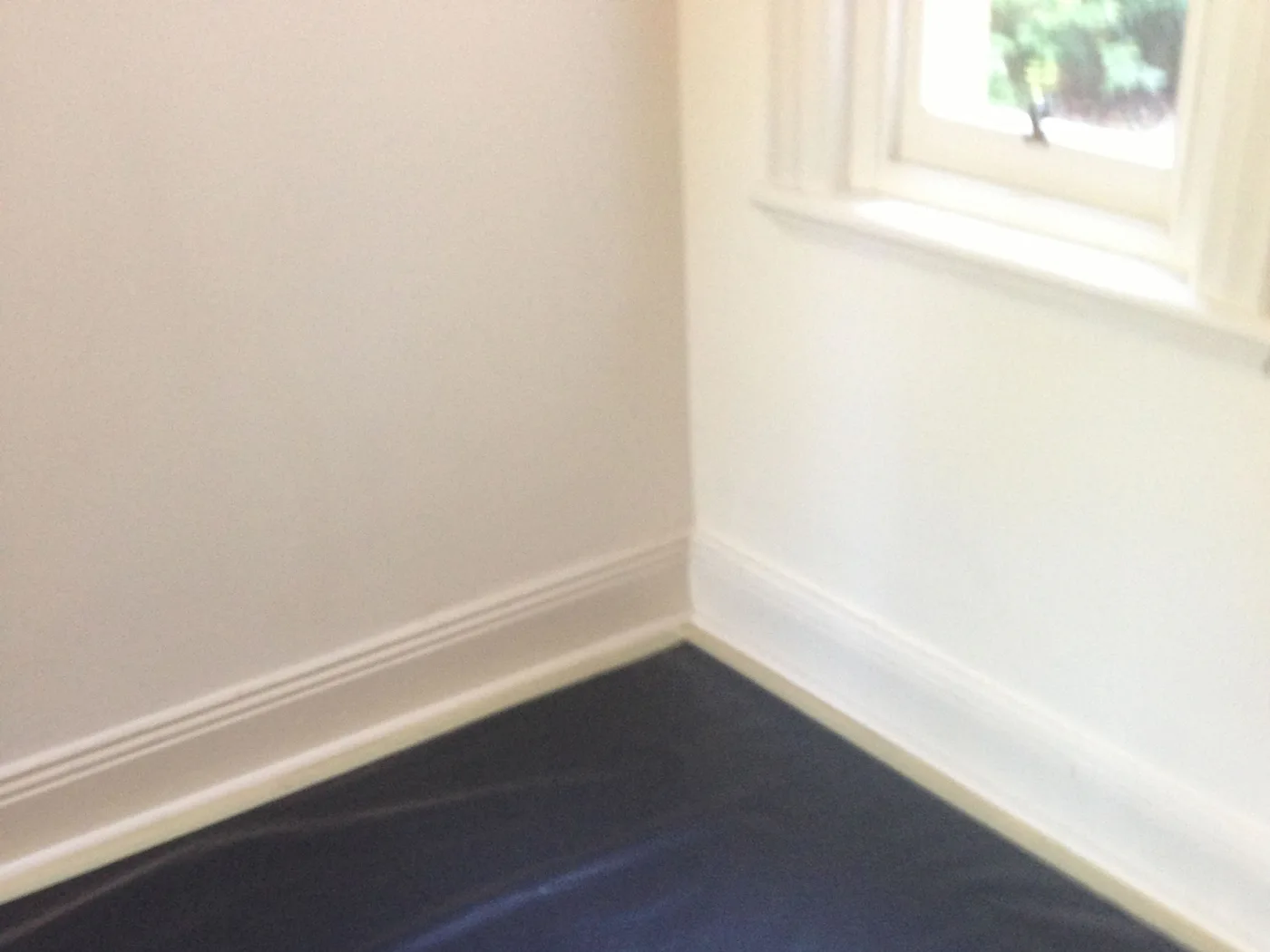
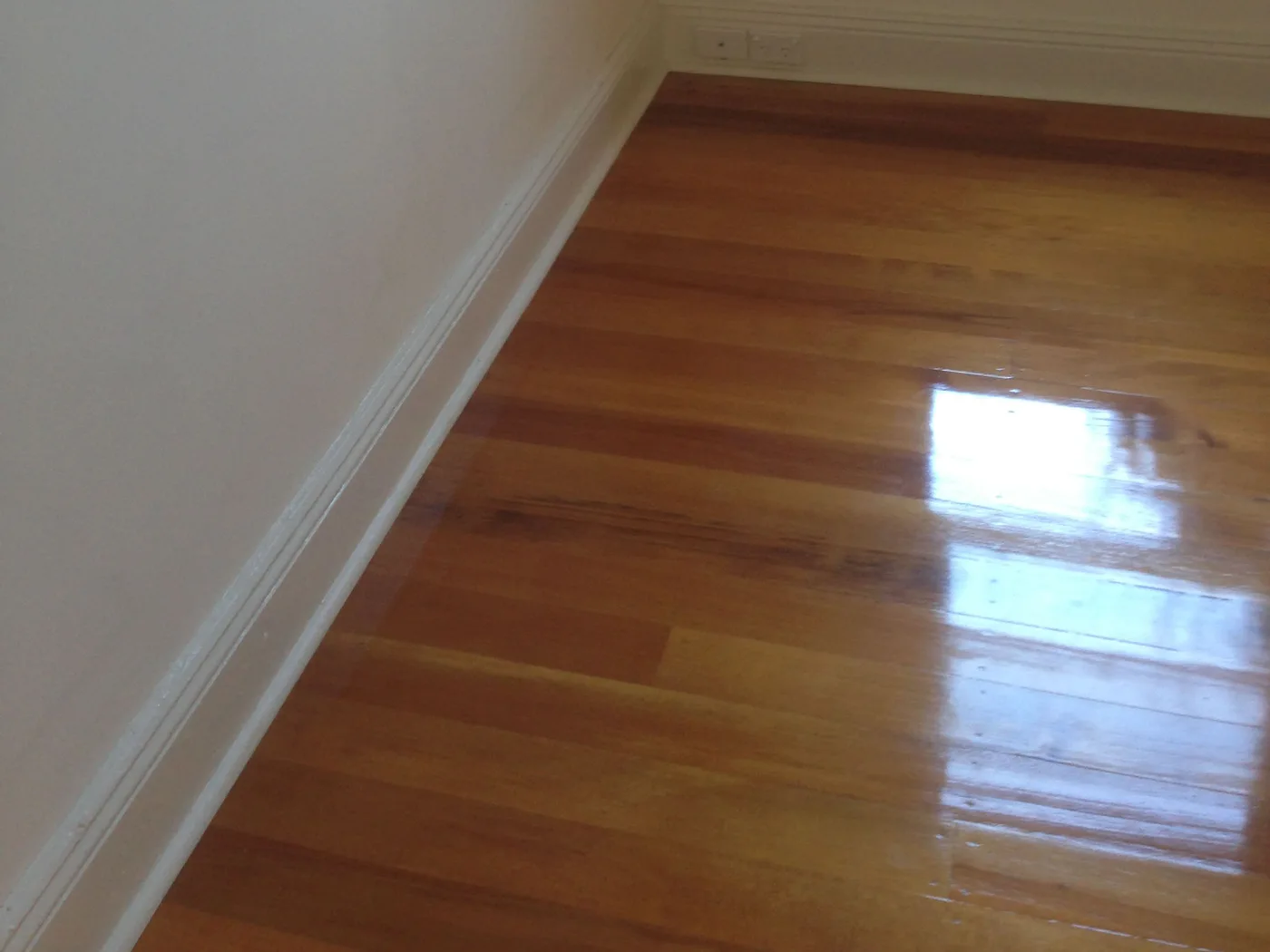
What rising damp is
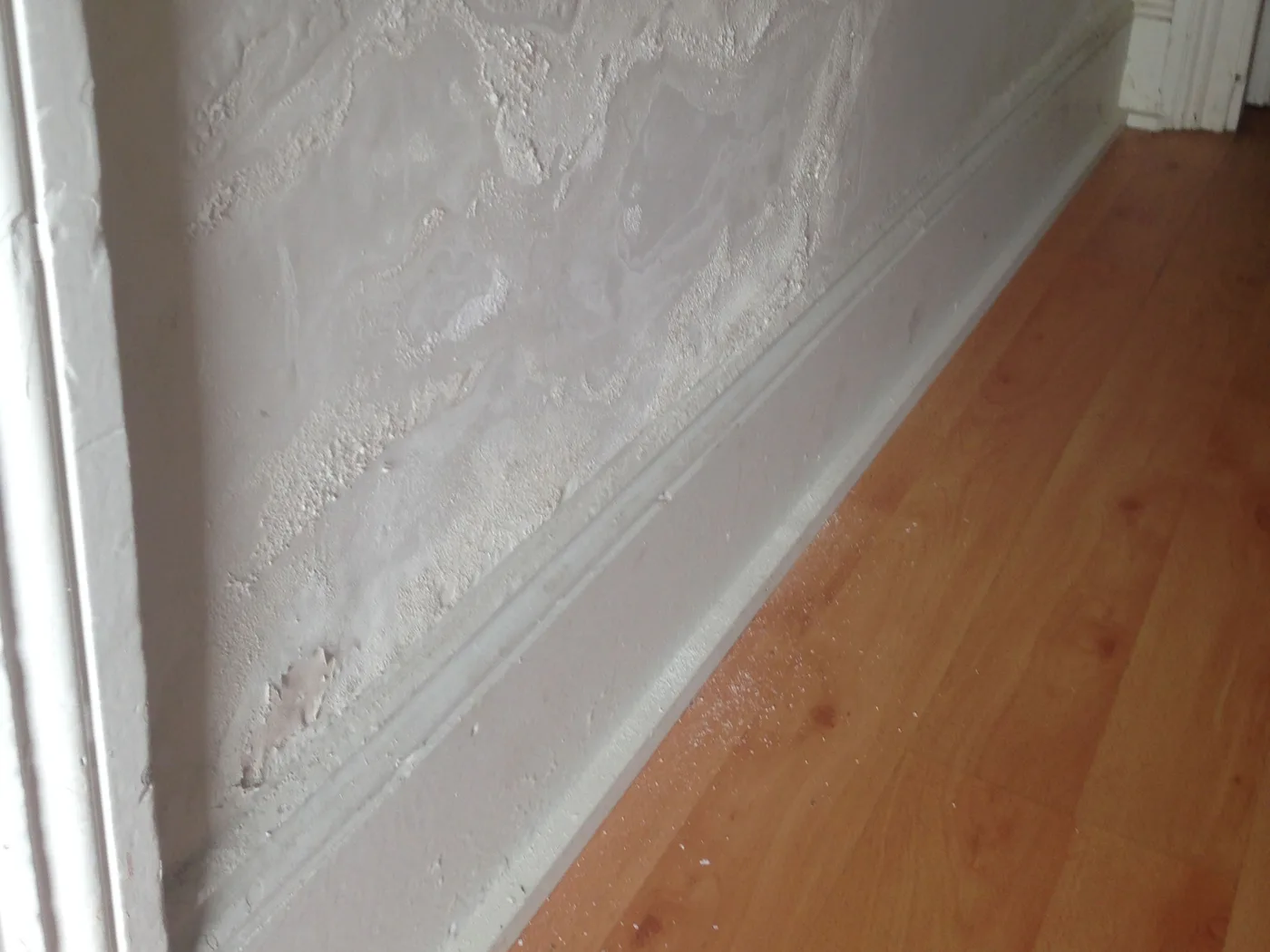
Rising damp occurs when ground moisture travels upward through porous brick, mortar or stone by capillary action. Moisture can carry dissolved salts into the wall, where repeated drying contributes to blistering paint, crumbling render and masonry decay.
Common signs in a building
Symptoms often begin close to floor level and may form a visible tide mark. A proper inspection distinguishes rising damp from condensation, drainage and other moisture sources.
- Peeling or blistering paint and plaster
- Fretting mortar or salt deposits
- Musty odours near lower walls
- Decay in nearby skirtings or floor timbers
A coordinated treatment scope
Where appropriate, BRW can coordinate the specialist treatment and associated building work so the wall is not simply covered over.
- Careful removal of affected skirtings and render
- Westox chemical-injection damp-course installation
- Salt-retarding render and compatible wall finishes
- Skirting replacement, painting and related reinstatement
- Subfloor ventilation where inadequate airflow is identified
Damp, mould and indoor health
Persistent indoor dampness can create conditions in which mould grows, particularly where moisture remains and ventilation is poor. Mould is not proof of rising damp: condensation, plumbing faults and other moisture sources can produce similar symptoms, so the cause should be identified before repair.
NSW Health advises that mould exposure may cause a runny or blocked nose, eye or skin irritation and sometimes wheezing. For people with asthma, breathing in mould spores may trigger an asthma attack. Many people experience no symptoms, while people with asthma, allergies, chronic lung conditions or weakened immune systems may be more sensitive.
Fixing the moisture source is important because surface cleaning alone may not prevent mould returning. BRW investigates relevant building moisture and ventilation issues; people with health symptoms should seek advice from a doctor.